Bringing African–Caribbean South–South Partnership for Health Development
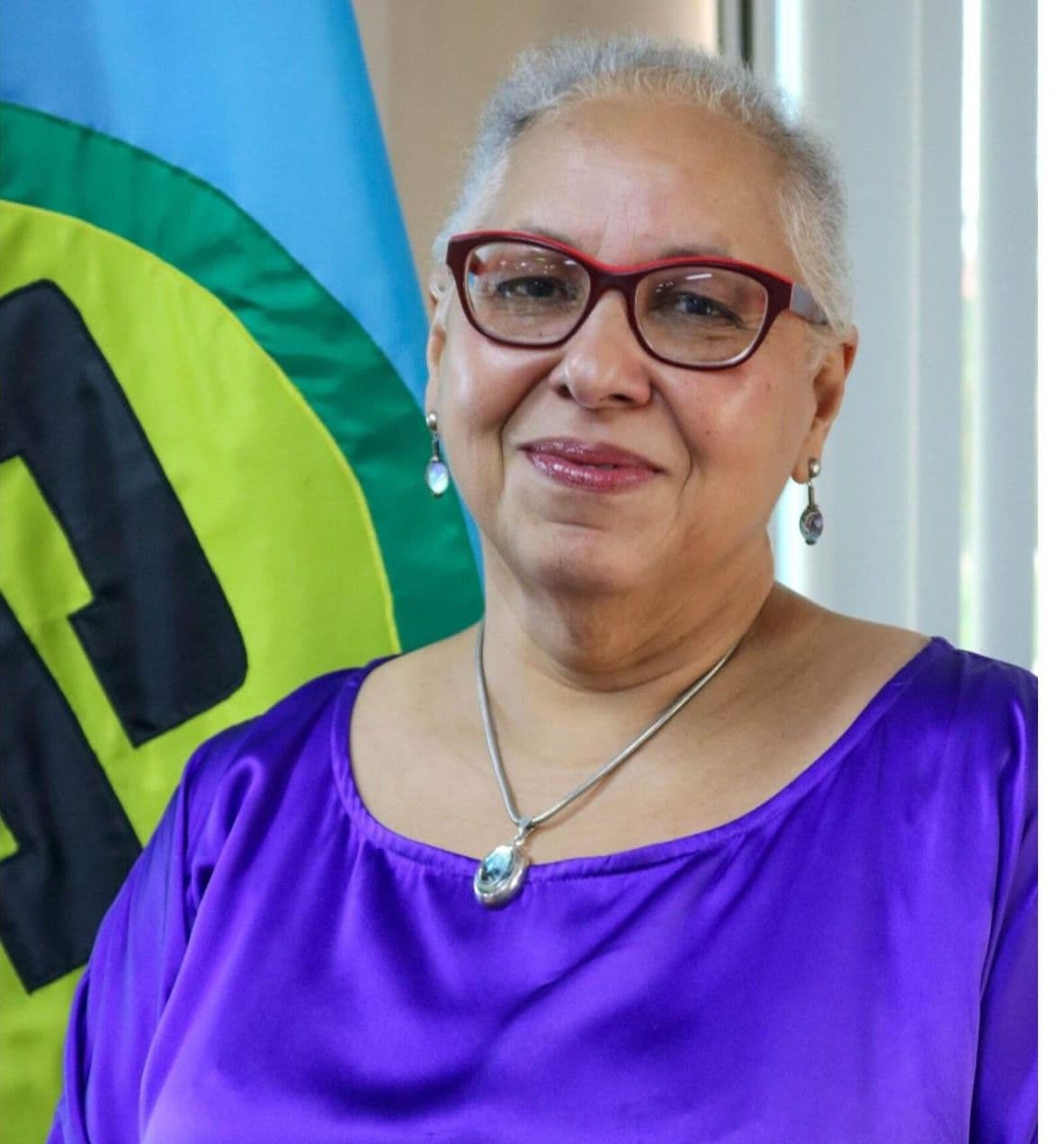
By Alison Drayton, Assistant Secretary-General, CARICOM
At a moment of significant global transition, the imperative for principled and strategic partnership has never been greater. For Africa and the Caribbean, South–South cooperation in health development is not a rhetorical aspiration; it is a practical and necessary response to shared structural realities.
Our regions, though geographically distant, are bound by history, cultural ties, and comparable development trajectories. We confront similar public health burdens, fiscal constraints, and climate vulnerabilities. We also navigate global systems that have not always adequately reflected the priorities or particular circumstances of developing countries.
The experience of recent global crises underscored the importance of resilience. Disruptions in supply chains, inequities in access to vaccines and essential health commodities, and fluctuating external financing revealed structural weaknesses that cannot be addressed through isolated national efforts alone. They demand coordinated engagement, regional solidarity, and strengthened domestic capacity. It is within this context that Africa–Caribbean partnership assumes renewed significance.
A Shared Commitment to the Right to Health
Central to this partnership is a shared recognition that the Right to Health is a fundamental obligation of governments. Universal Health Coverage, anchored in strong Primary Health Care systems, remains the most effective vehicle for translating that obligation into measurable outcomes.
Across both regions, efforts to strengthen community-based health systems, expand workforce capacity, and integrate services have demonstrated that sustained political commitment yields tangible progress. Embedding the right to health within constitutional and governance frameworks reinforces accountability and signals that health is not a discretionary expenditure, but a national priority.
For Caribbean small island developing states, Primary Health Care is indispensable in overcoming geographic fragmentation and strengthening climate resilience. For many African countries, integrated community health models offer scalable solutions to extending coverage equitably. The exchange of such experiences deepens mutual learning and strengthens institutional capacity.
Advancing Health Sovereignty Through Cooperation
Health sovereignty should not be misconstrued as self-sufficiency in isolation. Rather, it reflects the capacity of states to secure equitable access to essential health services and commodities while reducing structural dependency.
Africa and the Caribbean are increasingly aligned in advancing domestic resource mobilization, innovative financing mechanisms, and sustainable insurance models as foundations of resilient systems. At the same time, pooled procurement arrangements, regulatory harmonization, and investment in regional manufacturing capacity illustrate how strategic interdependence can reinforce sovereignty rather than diminish it.
The Caribbean’s longstanding experience with collective procurement mechanisms demonstrates the efficiencies and equity gains achievable through cooperation. Africa’s expanding pharmaceutical manufacturing capacity similarly contributes to a diversified and more secure global supply landscape. Together, these efforts reflect a maturing model of South–South collaboration grounded in practical outcomes.
Knowledge, Workforce, and Innovation
An effective partnership must be institutional rather than episodic.
Structured academic exchanges, reciprocal professional training, and joint research initiatives strengthen the human capital base of both regions. These exchanges also acknowledge a critical reality: Africa and the Caribbean are not merely recipients of external expertise; we are contributors to global knowledge and innovation.
Digital transformation further expands the scope for collaboration. Investments in electronic health records, interoperable data systems, surveillance platforms, and emerging technologies offer opportunities to enhance efficiency, transparency, and responsiveness. For geographically dispersed Caribbean states and rapidly urbanizing African populations alike, digital health solutions can bridge longstanding access gaps.
Climate Resilience and Global Health Governance
Climate change is reshaping public health landscapes in profound ways. Small island developing states face intensifying hurricanes, sea-level rise, and climate-sensitive diseases. Across Africa, droughts, floods, and shifting epidemiological patterns exert comparable pressure on already stretched systems.
Health diplomacy must therefore integrate climate resilience into financing frameworks, infrastructure planning, and workforce development. South–South cooperation provides a platform for shared strategies in adaptation and preparedness.
Simultaneously, global health governance is undergoing significant reassessment. Debates surrounding financing reform, pandemic preparedness, digital governance, and equitable access to medicines will shape the trajectory of health systems for decades to come. In this environment, coordinated engagement enhances negotiating capacity and ensures that reforms reflect the lived realities of developing regions.
Africa and the Caribbean together constitute a substantial diplomatic constituency. When aligned, our collective voice carries influence in multilateral forums and contributes constructively to shaping a more equitable global health architecture.
Institutionalizing a Transformational Partnership
The future of Africa–Caribbean health cooperation lies in sustained institutional mechanisms: regular political dialogue, technical coordination platforms, joint procurement frameworks, research collaboration, and unified positions in global negotiations.
Such mechanisms transform solidarity into structure.
South–South partnership between Africa and the Caribbean reflects a shared understanding that resilience is strengthened through cooperation and that leadership in global health is neither reserved nor predetermined. It is exercised through principled engagement, strategic alignment, and collective action.
As the international system evolves, Africa and the Caribbean must not remain peripheral to decision-making processes that affect our populations. By reinforcing structured partnerships in health development, we contribute to a more balanced and inclusive global order — one in which equity, sustainability, and mutual respect guide progress.
In advancing this partnership, we affirm not only our shared history but our shared responsibility for shaping the future of global health.
Conclusion
Africa and the Caribbean are strengthening South–South partnership in health development as a strategic response to shared structural challenges, including fiscal constraints, climate vulnerability, supply chain inequities, and evolving global health governance. Anchored in a common commitment to the Right to Health and Universal Health Coverage, this partnership advances health sovereignty through domestic resource mobilization, pooled procurement, regulatory cooperation, workforce development, and digital innovation. By institutionalizing structured collaboration and aligning positions in multilateral forums, both regions enhance resilience and collective influence. Africa–Caribbean cooperation reflects a transformational model of strategic interdependence—one that moves beyond solidarity toward sustained, coordinated action to shape a more equitable and inclusive global health architecture.